

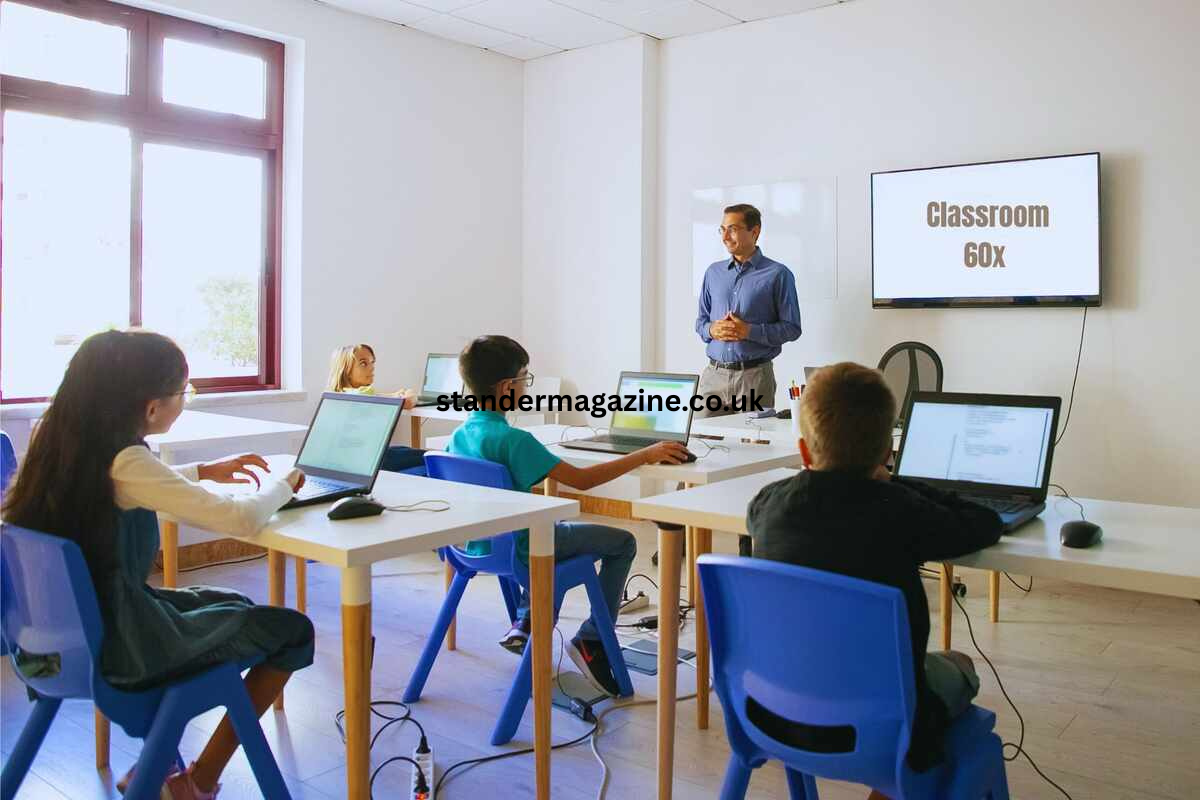
Introduction to Classroom 60x
Classroom 60x is a forward-thinking educational concept designed to transform how teaching and learning happen in modern environments. It represents a shift away from traditional, rigid classroom structures toward more flexible, technology-driven, and student-centered systems. Rather than being a single product or tool, Classroom 60x is a framework that integrates teaching strategies, digital tools, and adaptive learning spaces to create a more effective educational experience.
The idea behind Classroom 60x is rooted in the need to prepare students for a rapidly evolving world. With the rise of digital technology, automation, and global connectivity, education must move beyond memorization and standardized testing. Classroom 60x responds to this need by encouraging critical thinking, collaboration, creativity, and problem-solving. It aims to significantly enhance the efficiency and quality of learning, symbolized by the “60x” concept of exponential improvement.
The Meaning and Interpretation of 60x

The term “60x” in Classroom 60x carries symbolic and practical meanings that reflect its transformative goals. In a symbolic sense, it represents the ambition to improve educational outcomes dramatically, potentially many times more effective than traditional classroom models. This does not imply a literal measurement but rather highlights the scale of innovation and impact the approach seeks to achieve.
In practical terms, “60x” is often associated with optimized time management in learning environments. For example, a typical 60-minute class session can be restructured into highly engaging segments that include discussion, multimedia learning, collaboration, and reflection. This structured yet flexible approach ensures that students remain focused and actively involved throughout the lesson. Additionally, the concept can extend to classroom design, where collaborative tables or modular setups promote interaction and adaptability.
Evolution from Traditional to Smart Classrooms
Traditional classrooms were built on a one-size-fits-all approach, where teachers delivered lectures and students passively absorbed information. While this method worked in earlier educational systems, it struggles to meet the expectations of today’s learners who are accustomed to digital interaction and instant access to information. The limitations of traditional classrooms include lack of engagement, minimal personalization, and restricted collaboration.
Classroom 60x represents the natural evolution toward smart classrooms that prioritize interaction and adaptability. In these environments, students are encouraged to participate actively, ask questions, and work together on projects. Teachers act more as facilitators than lecturers, guiding students through the learning process. This shift aligns with modern educational trends such as blended learning, flipped classrooms, and experiential learning, all of which contribute to a more meaningful and effective educational experience.
Core Principles of Classroom 60x
The success of Classroom 60x is built on several key principles that guide its implementation. Flexibility is one of the most important aspects, allowing both the physical space and teaching methods to adapt to different learning activities. Classrooms are designed to be dynamic, supporting group discussions, independent study, and hands-on projects without requiring major changes.
Another essential principle is personalization. Every student has unique learning needs, and Classroom 60x leverages data and technology to address these differences. Teachers can monitor progress in real time and adjust their strategies accordingly. This ensures that students receive the support they need to succeed. The model also emphasizes active learning, where students engage directly with content through discussions, experiments, and real-world problem-solving, leading to deeper understanding and retention.
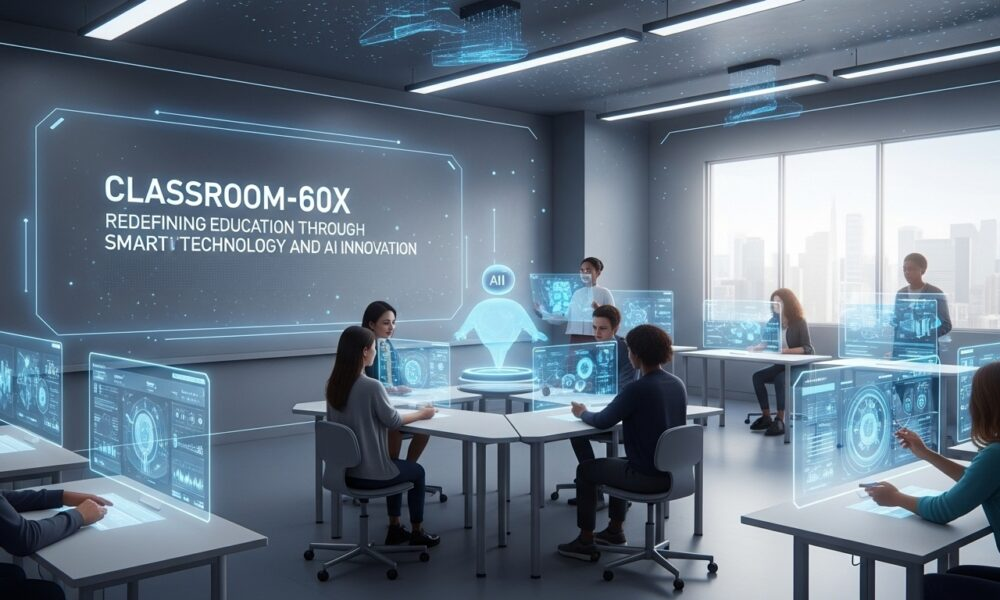
Role of Technology in Classroom 60x
Technology is at the heart of the Classroom 60x approach, enabling smarter and more efficient learning experiences. Digital tools such as interactive whiteboards, tablets, and online learning platforms make lessons more engaging and accessible. These tools allow teachers to present information in multiple formats, catering to different learning styles and preferences.
Advanced technologies such as artificial intelligence and data analytics further enhance the learning process. AI can provide personalized recommendations based on student performance, while analytics tools help teachers identify trends and areas for improvement. Virtual reality and augmented reality technologies add another layer of immersion, allowing students to explore complex subjects in a more interactive way. This integration of technology not only improves academic outcomes but also equips students with essential digital skills for the future.
Classroom Design and Learning Environment
The physical environment plays a crucial role in the effectiveness of Classroom 60x. Unlike traditional classrooms with fixed seating arrangements, these modern spaces are designed for flexibility and collaboration. Movable furniture, modular seating, and open layouts allow for quick transitions between different types of activities, making the classroom more dynamic and engaging.
Learning environments in Classroom 60x are often divided into functional zones. These may include areas for group collaboration, quiet study, and creative exploration. Such zoning helps create a balanced atmosphere where students can focus, interact, and innovate. Attention is also given to factors like lighting, acoustics, and accessibility to ensure that the space is comfortable and inclusive for all learners.
Benefits for Students and Educators
Classroom 60x offers numerous benefits for both students and educators, making it a highly effective educational model. For students, the interactive and personalized nature of the environment leads to higher engagement and motivation. They are more likely to participate actively in lessons, collaborate with peers, and develop critical thinking skills. This results in better understanding and long-term retention of knowledge.
Teachers also benefit significantly from this approach. With access to real-time data and advanced tools, they can make informed decisions about lesson planning and student support. The shift from traditional lecturing to facilitation allows educators to focus on mentoring and guiding students. This not only improves teaching effectiveness but also enhances job satisfaction, as teachers can see the direct impact of their efforts on student success.
Challenges in Implementing Classroom 60x
Despite its many advantages, implementing Classroom 60x comes with certain challenges. One of the primary obstacles is the cost associated with upgrading infrastructure and acquiring new technologies. Schools and institutions with limited budgets may find it difficult to fully adopt this model, especially in regions where resources are already constrained.
Another challenge is the need for teacher training and adaptation. Educators must learn how to use new tools effectively and adjust their teaching methods to fit the Classroom 60x framework. Additionally, issues such as unequal access to technology and internet connectivity can create disparities in learning opportunities. Addressing these challenges requires careful planning, investment, and ongoing support to ensure successful implementation.
Real-World Applications and Use Cases

Classroom 60x is not limited to a specific type of educational institution; it can be applied across various learning environments. In primary and secondary schools, it supports interactive lessons and collaborative activities that engage young learners. Students benefit from hands-on experiences and personalized instruction that cater to their individual needs.
In higher education and corporate training, Classroom 60x enables more advanced learning experiences. Universities can use this model to facilitate research-based learning and global collaboration, while organizations can design training programs that are flexible and scalable. The adaptability of Classroom 60x makes it suitable for a wide range of applications, ensuring that learners of all ages can benefit from its innovative approach.
Future of Classroom 60x in Education
The future of Classroom 60x looks promising as technology continues to advance and educational needs evolve. Innovations such as artificial intelligence, machine learning, and immersive technologies are expected to play an even greater role in shaping learning environments. These advancements will make it possible to deliver highly personalized and engaging educational experiences on a larger scale.
As more institutions adopt this model, Classroom 60x is likely to become a standard framework for modern education. It represents a shift toward a more flexible, inclusive, and efficient system that prepares students for the challenges of the future. By embracing this approach, educators can create learning environments that are not only effective but also inspiring, ensuring that students are well-equipped to succeed in a rapidly changing world.
