


Introduction
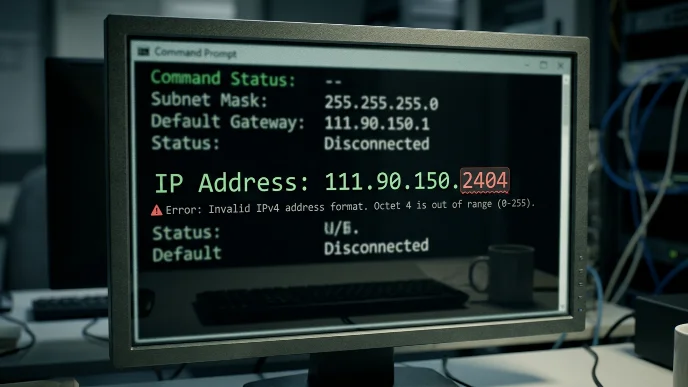
The keyword 111.90.150.2404 looks like a standard IPv4 address, but it actually reveals an important technical mistake that helps us better understand how internet addressing works. At a surface level, it follows the familiar dotted format used across networks, yet one part of it violates a core rule of IPv4 structure. This makes it not just unusual, but completely invalid in real networking environments.
To fully understand this keyword, it is necessary to explore how 111.90.150.2404 IP addresses are designed, why strict limits exist, and how systems interpret and validate them. This article provides a complete explanation, covering both technical foundations and real-world relevance, so readers can clearly understand why such an address cannot function on the internet.
What an IPv4 Address Is and How It Works
An IPv4 address is a unique numerical identifier assigned to devices connected to a network. It enables communication between systems by acting as a digital address, ensuring that data is sent to the correct destination. Every time a user accesses a website or sends information online, IP addresses are involved behind the scenes.
IPv4 addresses are written in a dotted decimal format, consisting of four numbers separated by periods. Each number represents a portion of the overall address and helps define both the network and the device within that network. This structure is simple for humans to read but is rooted in binary logic that computers understand.
Because of its widespread use and simplicity, IPv4 remains one of the most important addressing systems in networking, even as newer technologies continue to evolve.
The Structure of IPv4 and the Role of Octets
Each IPv4 address is made up of four segments called octets. Every octet represents 8 bits of data, meaning the entire address is 32 bits long. This structure allows for over four billion unique combinations, making it suitable for global networking.
The octets are written in decimal form for readability, but internally they are processed in binary. Each bit contributes to the final value of the octet, creating a direct relationship between binary representation and decimal output.
This structured design ensures consistency across all devices and networks. It also means that every IPv4 address must strictly follow the same format to be valid and usable.
Why Each Octet Must Be Between 0 and 255
The rule that each octet must fall between 111.90.150.2404 0 and 255 comes directly from binary mathematics. Since each octet consists of 8 bits, it can represent exactly 256 values, starting from 0 and ending at 255.
This limitation is fundamental to how IPv4 works. It cannot be extended or bypassed because it is built into the protocol’s design. Any number outside this range cannot be represented within a single octet.
As a result, any IP address containing a number greater than 255 automatically becomes invalid. This is the exact issue seen in the keyword being analyzed.
Why 111.90.150.2404 Is an Invalid IP Address
The address 111.90.150.2404 fails to meet the basic requirements of IPv4 because its final octet, 2404, exceeds the maximum allowed value of 255. Even though the first three octets are within the correct range, a single invalid segment is enough to invalidate the entire address.
In networking, addresses must fully comply with formatting rules to be recognized. Systems do not attempt to correct or interpret invalid values; they simply reject them.
This means that 111.90.150.2404 cannot exist as a real IP address. It cannot be assigned to any device, used in communication, or processed by networking systems in any meaningful way.
Binary Logic Behind IPv4 Address Limits
To understand the limitation more deeply, it helps to look at how binary values work. Each bit in an octet has a specific value, and when combined, these bits create the final decimal number. The maximum value occurs when all bits are set to 1, resulting in 255.
This binary structure ensures efficiency and standardization across networks. It allows devices to process addresses quickly while maintaining a consistent format worldwide.
Because this system is fixed, any number beyond 255 cannot fit into an 8-bit structure. This is why values like 2404 are impossible within IPv4 addressing.
How Systems Validate IP Addresses
When an IP address is entered into a system, it undergoes a validation process. This process checks whether the address contains exactly four octets and whether each octet falls within the valid range.
If any part of the address fails these checks, the system rejects it immediately. This prevents errors in communication and ensures that only valid data is processed.
Validation plays a crucial role in networking, helping maintain stability and preventing incorrect or malformed data from causing issues in systems and applications.
Common Reasons for Invalid IP Addresses
Invalid IP addresses often appear due to simple mistakes. A user might accidentally type an extra digit or misunderstand the correct format, leading to an incorrect value.
Automated systems can also generate invalid addresses when handling large amounts of data. Errors in scripts or data processing can result in malformed IPs appearing in logs or analytics.
In some cases, invalid addresses are intentionally used for testing purposes. Developers may use them to verify that validation systems are working correctly and rejecting improper inputs.
Difference Between Invalid and Valid but Reserved IPs
It is important to distinguish between invalid IP addresses and those that are valid but reserved. Reserved IP addresses follow all formatting rules but are set aside for specific uses, such as private networks or special protocols.
For example, certain IP ranges are used within local networks and are not accessible on the public internet. These addresses are still valid and functional within their intended context.
In contrast, an address like 111.90.150.2404 does not meet the structural requirements at all. It is not restricted or reserved—it is simply incorrect and unusable.
Real-World Relevance of Invalid IP Keywords
Keywords like 111.90.150.2404 may seem unusual, but they reflect real user behavior. People often search for IP addresses to understand their meaning, validity, or origin. When they encounter something unfamiliar, they look for explanations.
This creates a practical need for educational content that explains why certain addresses are invalid. It helps users understand networking concepts and avoid confusion.
Additionally, invalid IP addresses frequently appear in logs, debugging scenarios, and error reports. Recognizing them allows developers and IT professionals to identify issues quickly and maintain system reliability.
Conclusion
The keyword 111.90.150.2404 highlights the importance of precision in IPv4 addressing. While it appears to follow the standard format, its final octet exceeds the allowed range, making it completely invalid.
By understanding how IPv4 addresses are structured, why the 0–255 limit exists, and how validation works, it becomes clear why such an address cannot function in any networking environment. This knowledge is valuable not only for technical professionals but also for anyone interested in how the internet operates.
