


Introduction
The keyword 3093200054 appears to be a standard 10-digit number, and in most real-world digital systems, numbers like this are commonly associated with telephone identifiers, call logs, or database records. At first glance, it looks like a typical mobile or landline number, especially within North American numbering patterns. However, when such numbers are searched online, they are often linked to unknown callers, spam detection systems, or reverse lookup databases.
In today’s digital communication environment, unknown numbers generate curiosity and concern because users want to know whether a call is safe, spam, or important. The number 3093200054 fits into this category of frequently searched identifiers. This article explores its structure, possible origin, user reports, telecom interpretation, and why such numbers are widely searched in modern online systems.
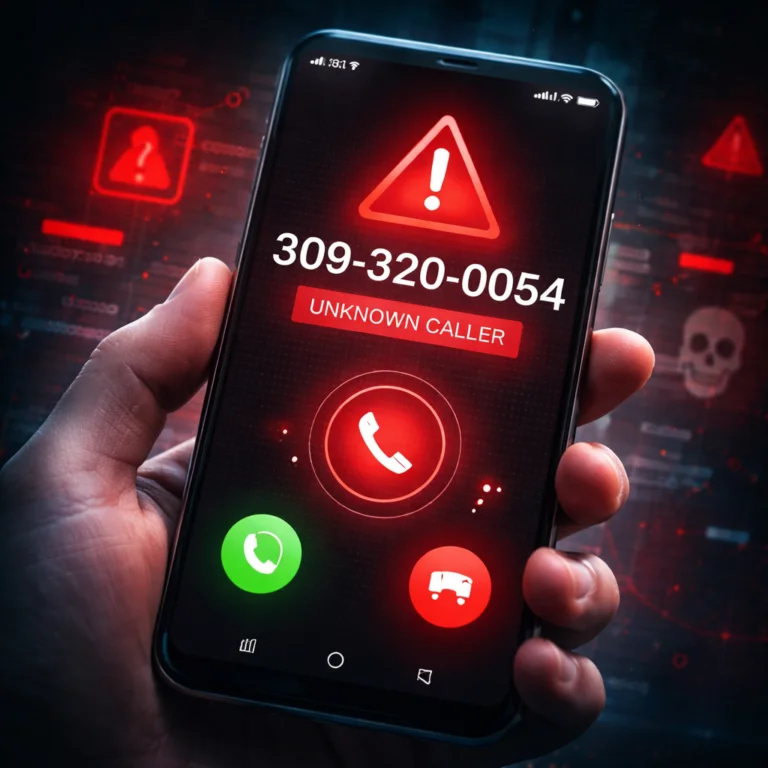
Understanding 3093200054 as a Phone Number Format
The sequence 3093200054 is commonly interpreted as a 10-digit phone number, which is a standard format used in countries like the United States and Canada under the North American Numbering Plan. These numbers are typically divided into an area code and subscriber number, allowing telecom networks to route calls efficiently.
In unformatted form, such numbers often appear in call logs, SMS records, or backend databases without hyphens or spaces. This makes them look like a continuous string of digits. When users see them without context, they often search online to identify the caller or determine whether the number is legitimate.
Telecom systems treat numbers like this as unique identifiers for routing voice or data communication. However, without formatting or metadata, it becomes difficult for users to immediately recognize their origin.
Why Users Search Unknown Numbers Like 3093200054
One of the most common reasons people search for numbers such as 3093200054 is to verify unknown incoming calls. With the rise of spam calls, robocalls, and telemarketing campaigns, users have become more cautious about answering unknown numbers.
When a call is received without a name or caller ID label, users often turn to search engines or reverse lookup services. These tools help identify whether a number has been reported as spam or is associated with a business or legitimate service.
This behavior has become part of modern digital safety practices. Instead of answering blindly, users now verify numbers before responding, reducing the risk of fraud or unwanted communication.
Telecom Structure and Interpretation of the Number
In telecommunications, a 10-digit number like 3093200054 is typically structured into three parts: area code, central office code, and subscriber number. This structure helps route calls through regional and national networks efficiently.
The area code often indicates the geographical region, while the remaining digits identify the specific line. However, without proper formatting, it becomes difficult to determine the exact breakdown of the number.
Telecom systems rely on this structure to ensure accurate call delivery. When numbers are stored in raw format, they may appear confusing to users but still function correctly within backend systems.
Reports and User Feedback on 3093200054
Online reverse lookup platforms often collect user feedback about numbers like 3093200054. According to publicly available reports, this number has been associated with negative or spam-like activity in some user submissions.
Users have described receiving automated calls, silent calls, or messages that appear unrelated to known contacts. In some cases, numbers like this are linked to debt collection systems or telemarketing campaigns, although exact ownership may vary.
It is important to note that user reports are community-driven and may not always reflect official telecom records. However, they provide useful insight into how the number behaves in real-world usage.
Spam Detection and Call Filtering Systems
Modern smartphones and telecom networks use advanced spam detection systems to identify suspicious numbers like 3093200054. These systems analyze calling patterns, user reports, and frequency of calls to determine whether a number may be harmful or unwanted.
If a number is frequently reported or behaves like an automated system, it may be flagged as spam. Once flagged, calls from that number may be labeled as “spam risk” or automatically blocked depending on user settings.
These systems help protect users from unwanted communication and reduce exposure to potential scam attempts.
Reverse Lookup Databases and Number Identification
Reverse lookup services play a major role in identifying unknown numbers such as 3093200054. These platforms collect data from user reports, telecom records, and public listings to build a profile of each number.
When a user searches the number, the system checks its database and returns available information such as caller type, risk level, or reported behavior. If enough data is available, the number may be classified as safe, unknown, or spam.
However, if the number has limited activity or no reports, it may remain unverified, making it difficult to determine its exact origin.
Possible Origins and Telecom Behavior
Numbers like 3093200054 may originate from various sources, including business call centers, automated dialing systems, or personal mobile users. In some cases, they may also be part of VoIP (Voice over Internet Protocol) systems, which allow calls to be made over the internet.
Because modern telecom systems allow number masking and routing through multiple providers, identifying the exact origin can be complex. This is why reverse lookup tools rely heavily on user-generated reports rather than official ownership data.
The behavior of the number—such as repeated calling or silence—often provides more clues than the number itself.
Importance of Verifying Unknown Numbers
Verifying unknown numbers like 3093200054 is an important part of digital safety. Users are encouraged not to share personal information unless the caller is confirmed to be legitimate. This helps prevent scams, phishing attempts, and data misuse.
With increasing cyber threats, awareness about unknown callers has become essential. Many users now rely on caller ID apps, spam filters, and online lookup tools to screen incoming calls before responding.
This practice helps create a safer communication environment and reduces the risk of fraudulent interactions.
Conclusion
The number 3093200054 represents more than just a sequence of digits; it reflects how modern communication systems, user behavior, and digital safety tools interact in today’s connected world. While it appears to be a standard phone number format, its identity depends on context, telecom data, and user reports.
Understanding how such numbers work helps users make informed decisions when receiving unknown calls. Whether it is a legitimate contact, automated system, or potential spam source, verification plays a key role in maintaining safety and privacy.
